5 Brake Inspection Tips to Drive Safer in Alabama
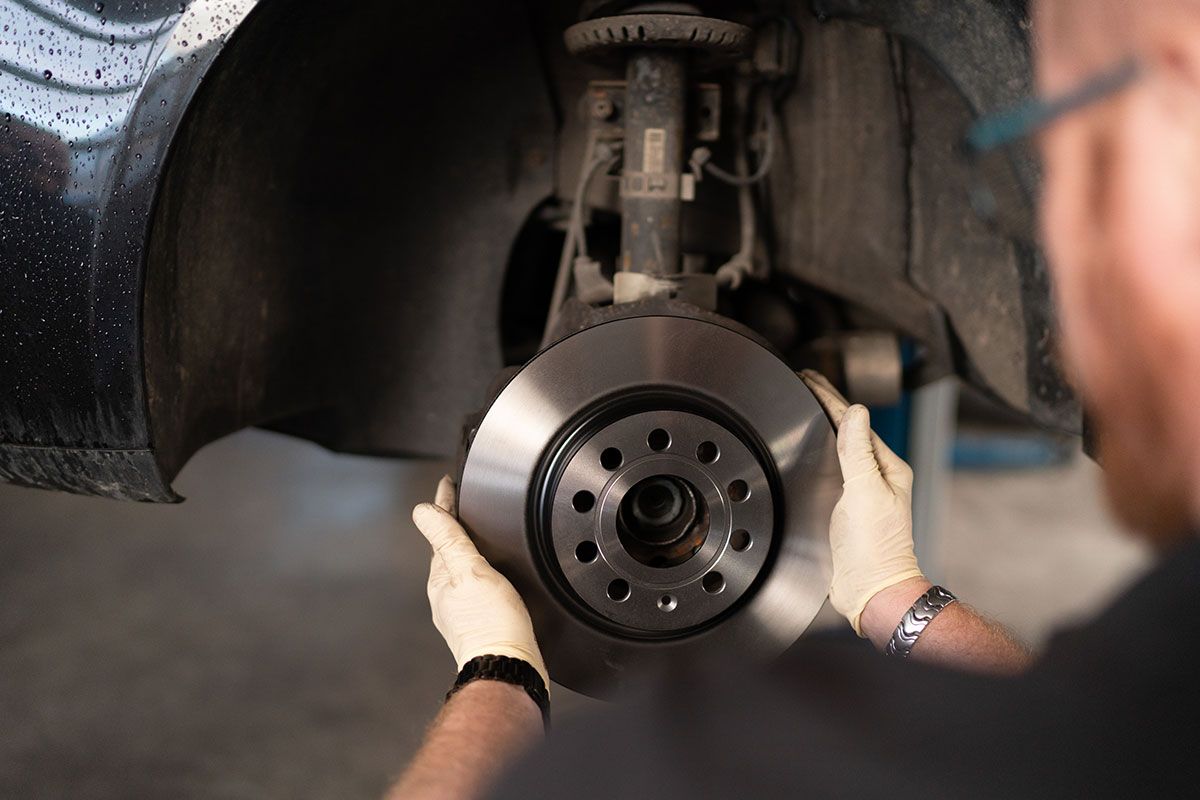
A brake inspection checks your vehicle’s brake pads, rotors, calipers, fluid, hoses, and related components for wear or damage. Regular inspections help identify problems before they become expensive or dangerous, especially for drivers in Chelsea, Chalkville, Alabaster, and throughout central Alabama.
Why Is a Brake Inspection Important?
Your brakes are among the most important safety systems in your vehicle. They must convert motion into controlled stopping force every time you drive, whether you are commuting through town, traveling on Alabama highways, or carrying passengers.
A brake inspection can reveal:
- Thin or unevenly worn brake pads
- Grooved, cracked, or warped rotors
- Leaking or contaminated brake fluid
- Damaged brake hoses or hardware
- Sticking calipers or wheel cylinders
Brake problems often develop gradually. A vehicle may still stop while its braking system is becoming unsafe. Early attention can also help prevent damage to more expensive components.
When Should You Schedule a Brake Inspection?
Most drivers should have their brakes inspected during routine maintenance, when rotating tires, or whenever a warning sign appears. A professional may recommend more frequent checks if you drive in heavy traffic, tow equipment, travel on hilly roads, or frequently make short trips.
Consider scheduling a brake inspection if:
- Your vehicle pulls to one side when stopping
- The brake pedal feels soft, low, or unusually hard
- You hear squealing, grinding, clicking, or scraping
- The steering wheel or pedal vibrates during braking
- A brake, ABS, or dashboard warning light appears
Do not wait for a grinding noise. Grinding can mean the friction material is gone and metal is contacting the rotor. Continuing to drive may increase repair costs and reduce stopping performance.
What Happens During a Brake Inspection?
A complete brake inspection should look beyond the brake pads. At Legacy Tire and Service, technicians evaluate the parts that affect braking performance and explain what they find before recommending service.
A typical inspection may include:
- Measuring brake pad and shoe thickness.
- Examining rotors and drums for scoring, heat damage, or uneven wear.
- Checking calipers, wheel cylinders, springs, clips, and other hardware.
- Looking for brake fluid leaks and damaged hoses or lines.
- Testing pedal feel and checking for pulling, vibration, or unusual noise.
- Reviewing warning lights and, when necessary, scanning electronic brake systems.
The result should be clear: what needs attention now, what can be monitored, and what service may be needed later.
Brake Inspection vs. Brake Repair
A brake inspection identifies a condition. Brake repair corrects the condition. For example, an inspection may find worn pads, while the recommended repair could include replacing the pads and resurfacing or replacing the rotors.
Not every brake concern requires the same service. Depending on the findings, brake repair may involve:
- Brake pad or shoe replacement
- Rotor or drum replacement
- Caliper service or replacement
- Brake fluid exchange
- Brake hose or line repair
- ABS diagnosis
A trustworthy shop should explain the reason for each recommendation and provide options when appropriate. Ask whether the repair addresses a safety concern, normal wear, or a developing issue.
How Do You Know You Need Brake Repair?
Brake repair may be needed when stopping feels different, takes longer, or produces unusual sounds. Some warning signs are easy to notice, while others appear only during a professional inspection.
Common Signs of Brake Trouble
Squealing: A high-pitched sound may indicate worn pads or a wear indicator making contact with the rotor.
Grinding: This often signals severe pad wear and possible rotor damage. Have the vehicle checked promptly.
Vibration: A pulsing brake pedal or shaking steering wheel can indicate uneven rotor surfaces or another braking issue.
Pulling: If the vehicle moves left or right while braking, possible causes include uneven pad wear, a sticking caliper, or tire and suspension concerns.
Soft pedal: A spongy pedal can point to air, moisture, a leak, or another hydraulic problem.
Burning smell: A sharp odor after braking may indicate overheating. Stop driving when safe and arrange an evaluation.
How Often Should Brakes Be Checked in Alabama?
There is no single mileage interval that fits every driver. Many vehicles should receive a brake inspection at least once a year, but your owner’s manual and driving conditions matter.
Central Alabama drivers may experience conditions that affect brake wear, including stop-and-go traffic, steep roads, summer heat, rain, and frequent highway travel. Drivers who commute daily between Chelsea, Chalkville, Alabaster, and Birmingham may accumulate wear faster than someone who drives only occasionally.
Have brakes checked sooner if you:
- Drive in dense traffic every day
- Tow a trailer or carry heavy loads
- Travel frequently through hilly areas
- Notice a change in pedal feel or stopping distance
- Recently purchased a used vehicle
A tire rotation or other routine service is a convenient time to request a brake check. Combining inspections can help you understand the condition of several safety systems at once. Explore related auto repair services or review practical car care tips .
What Should You Ask an Auto Repair Shop?
Before approving brake service, ask a few straightforward questions:
- Which brake components are worn or damaged?
- How much usable material remains on the pads or shoes?
- Are the rotors or drums within the manufacturer’s specifications?
- Is the repair urgent, recommended soon, or suitable for monitoring?
- What parts and warranty coverage are included?
A professional explanation should be easy to understand. Photos, measurements, and a written estimate can make the decision clearer. You should never feel pressured to approve work you do not understand.
Trusted Brake Service Near Chelsea, Chalkville, and Alabaster
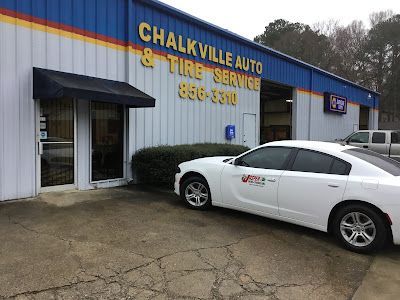
Legacy Tire and Service was built around trust, craftsmanship, and community. The family-owned business began in Chelsea and has continued serving local drivers while expanding to Chalkville and other Alabama communities.
The team’s approach is simple: inspect carefully, communicate clearly, and recommend service based on the vehicle’s actual condition. Whether you need routine maintenance or help with a braking concern, local technicians can help you determine the safest next step.
Learn more about Chelsea services , Chalkville services , or Alabaster services . You can also read customer feedback on Legacy reviews before choosing a shop.
Brake Inspection Checklist
Use this quick checklist before your next visit:
- Note any sounds, smells, vibrations, or pulling.
- Check whether the brake or ABS warning light is on.
- Record when the symptoms occur and whether the vehicle is cold or warm.
- Bring recent repair information if you have it.
- Ask for a complete inspection and a clear explanation of the findings.
Frequently Asked Questions About Brake Inspections
How long does a brake inspection take?
A basic brake inspection may take about 30 minutes, although the time depends on the vehicle, the shop’s process, and whether technicians need to diagnose a warning light or road-test the vehicle.
Can I drive with squeaky brakes?
Sometimes squeaking is caused by normal pad material or moisture, but it can also indicate wear. Schedule an inspection rather than assuming the sound is harmless. Grinding, pulling, a soft pedal, or reduced stopping power requires prompt attention.
How much does a brake inspection cost?
Pricing varies by shop and vehicle. Some inspections are included with routine service or may be available at no charge. Ask what the inspection includes before scheduling and request an estimate for any recommended repair.
Should all brake pads be replaced together?
Brake pads are generally replaced on both sides of the same axle so braking remains balanced. A technician should inspect the complete system and explain whether the front, rear, or both axles need service.
Make Brake Safety Your Next Service Step
A brake inspection is a practical way to confirm that your vehicle can stop safely and to catch wear before it leads to larger repairs. Schedule one when you notice noise, vibration, pulling, warning lights, or changes in pedal feel, and include it with routine maintenance when possible. Legacy Tire and Service helps drivers in Chelsea, Chalkville, Alabaster, and nearby Alabama communities understand their options and choose the right brake repair. Schedule an appointment or contact the team to request a professional brake inspection.
We’ve got all your automotive repair needs covered.